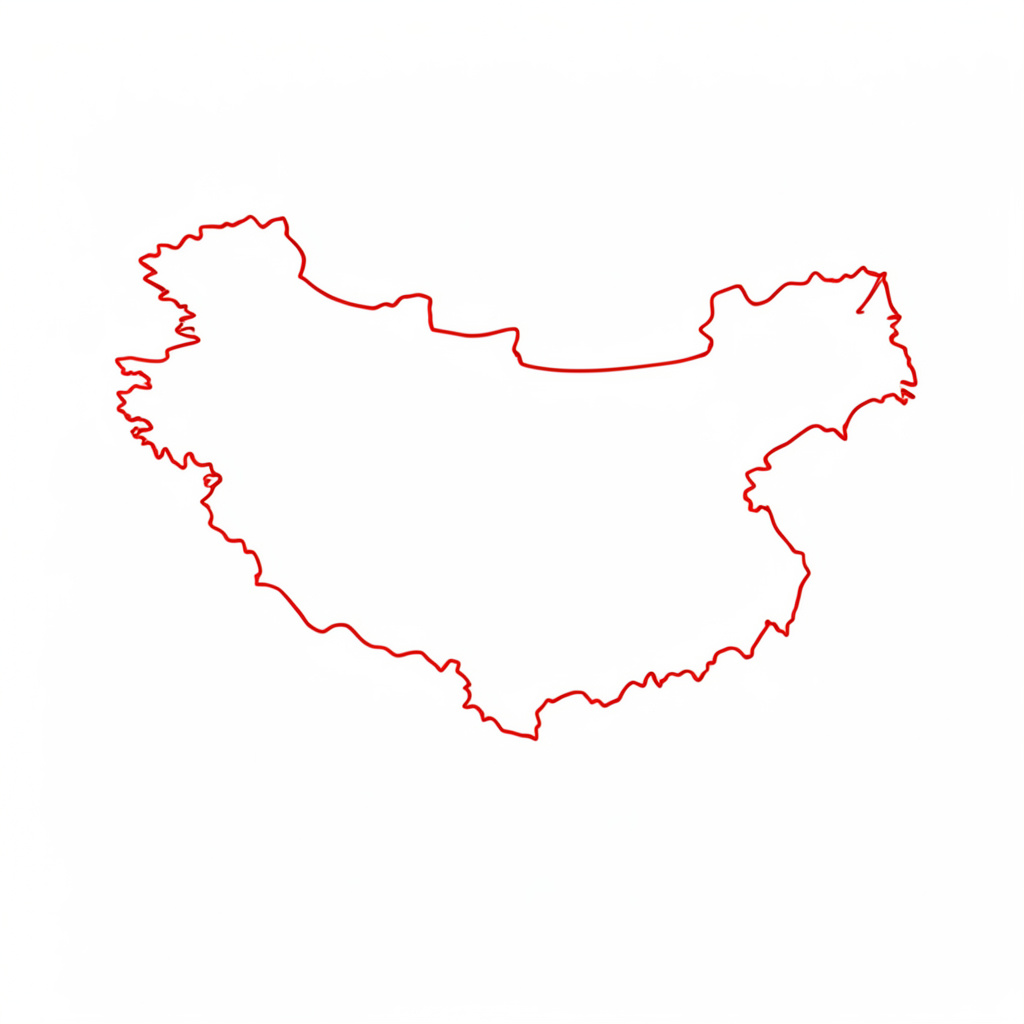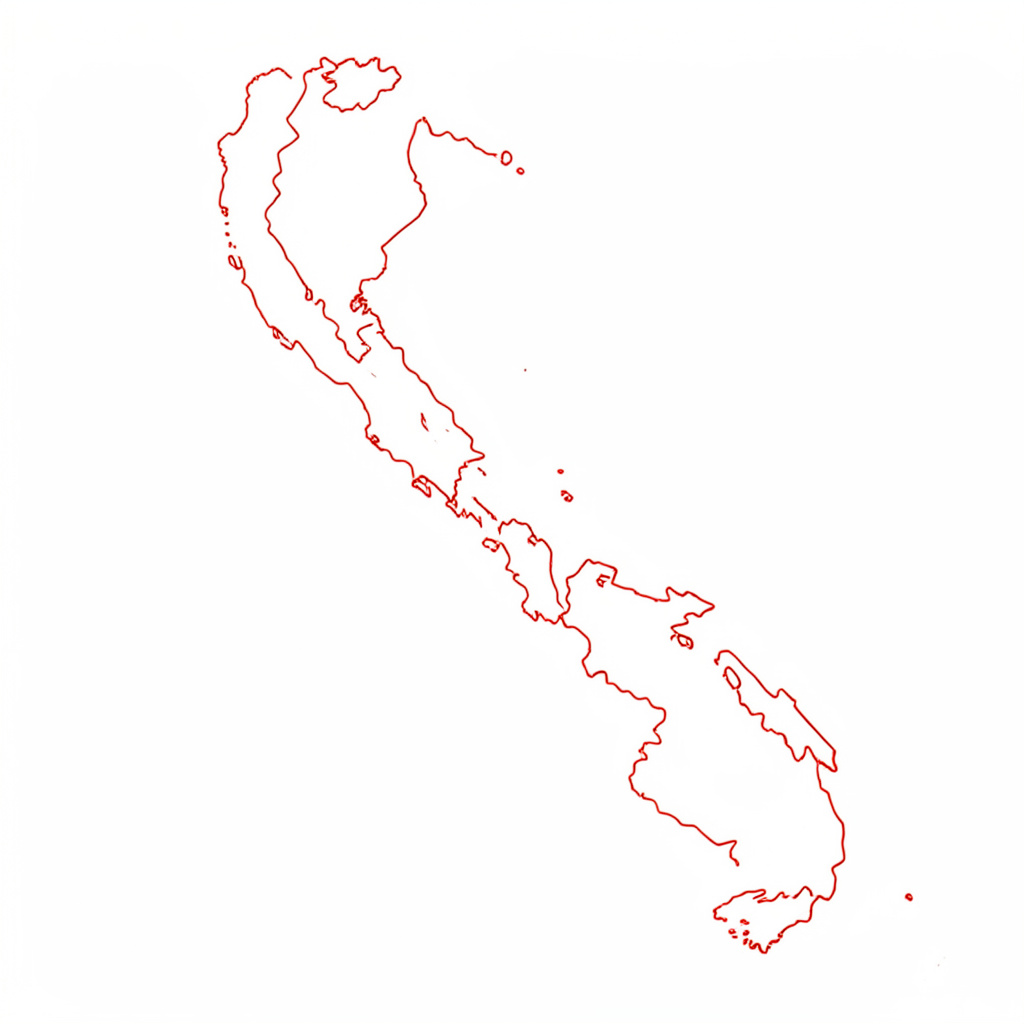
Net Neutrality Monitor analyses how Internet Service Providers resolve, block and inject DNS traffic. The platform tracks servers under examination, surfaces country-level reports, and publishes a live blacklist of injected addresses.
View Country ReportsWhat the platform does
Net Neutrality Monitor provides real-time analysis of the censorship systems used by Internet Service Providers. It tracks DNS servers currently under examination, lists known DNS servers that respond correctly to specific tests, and produces country reports on the types of blocking detected — from gambling and file-sharing to streaming and image hosting.
- DNS probes
- Country reports
- Injected addresses
- ISP scoring
Coverage across the monitored regions
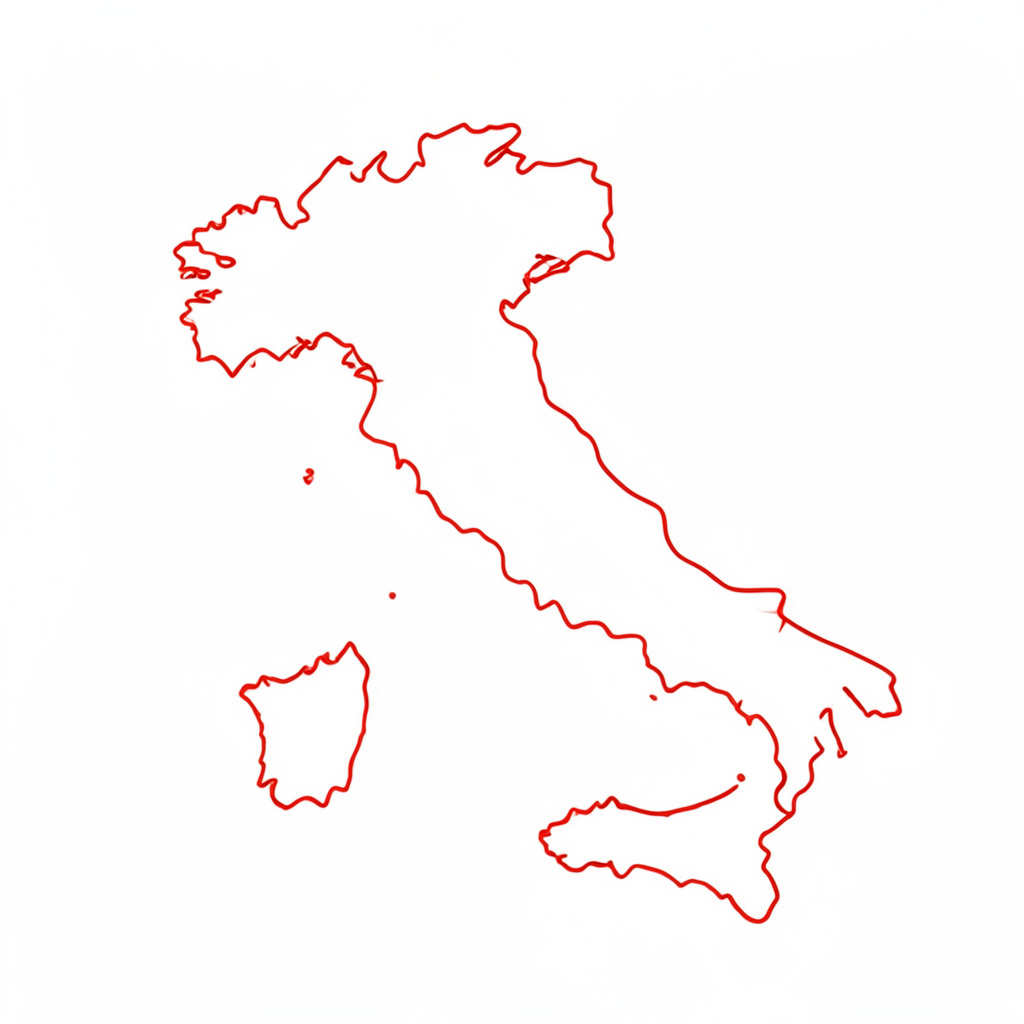
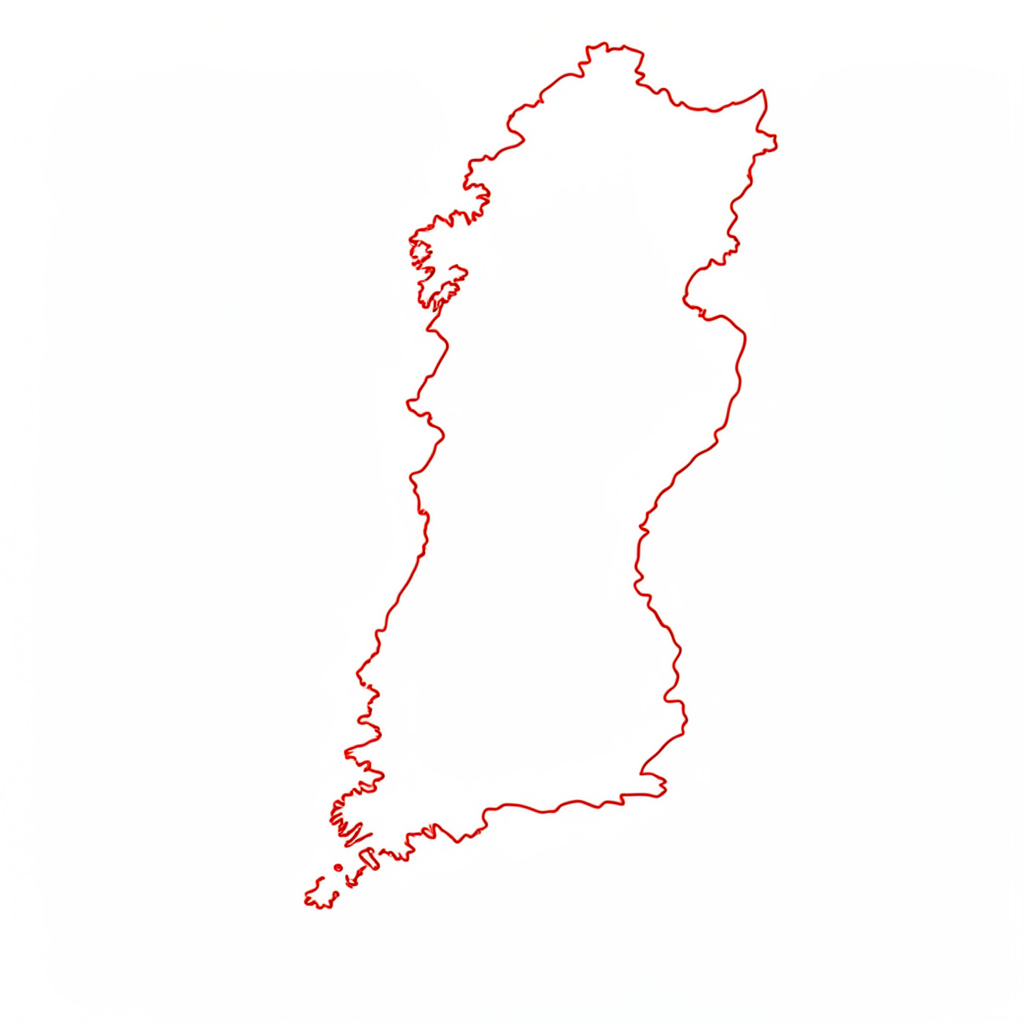
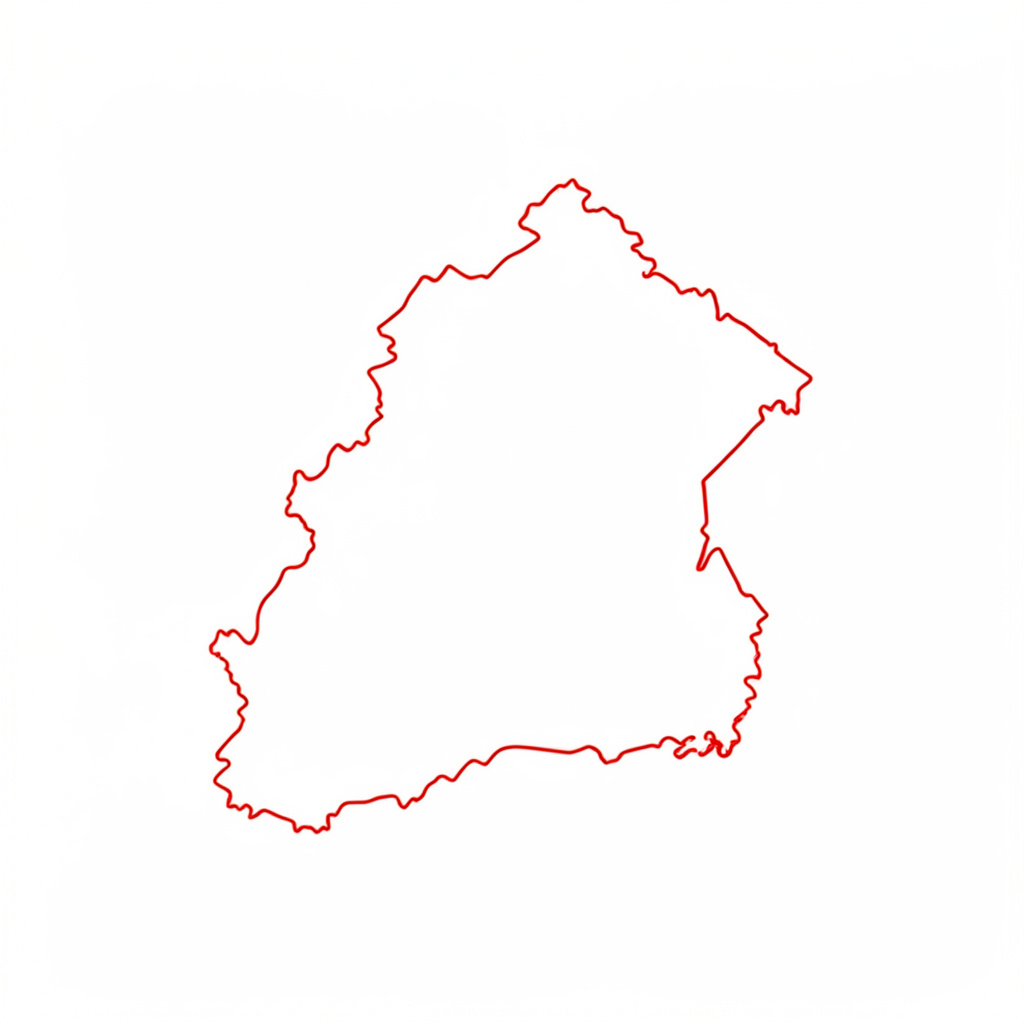
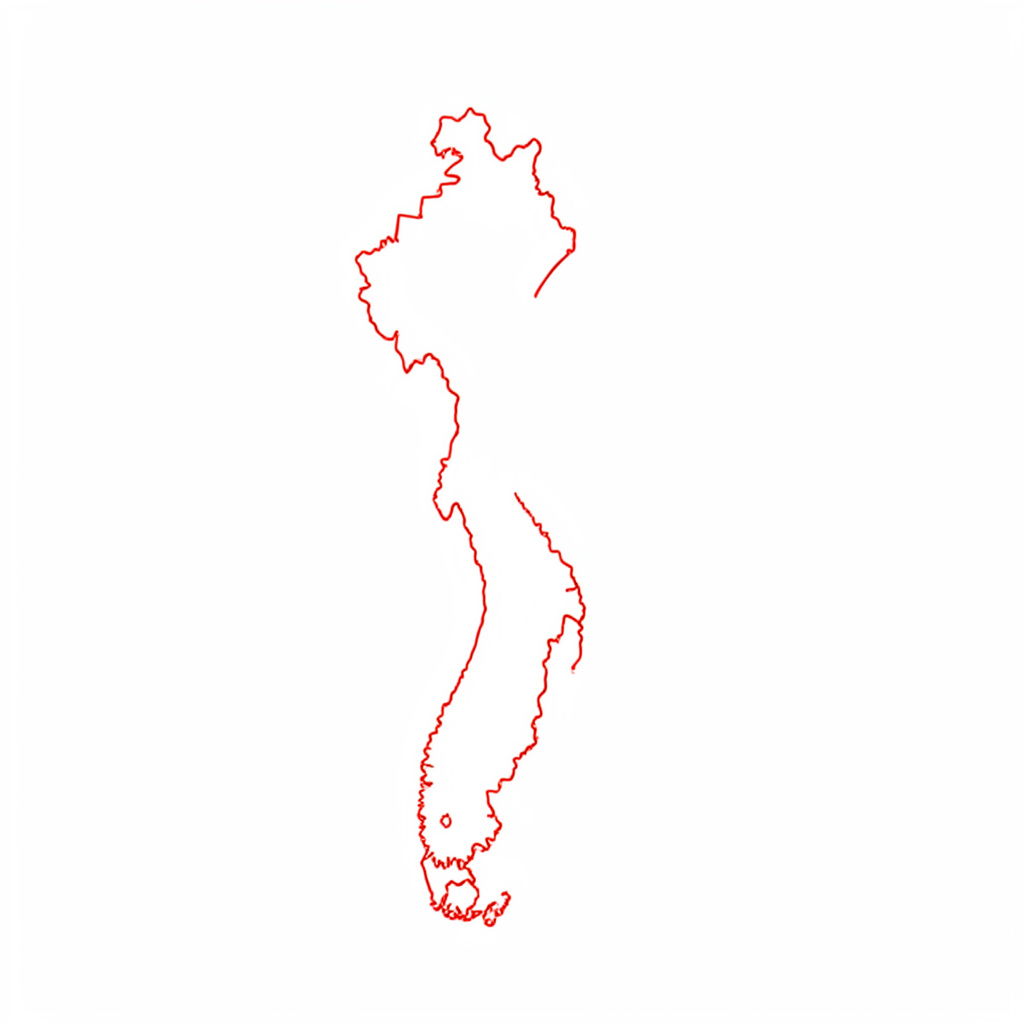
Country reports are available for China, Colombia, Denmark, Estonia, Finland, Italy, Korea Republic of, Sweden, Switzerland, Thailand, Turkey and additional regions as new probes are activated.
- 11+Countries with published reports
- LiveDNS server list under examination
- CC BY 2.5 IT / BY-SA 3.0Content licensing applied
- OpenDonations and probe submissions
How a Major Social Network Was Blocked Across Three Continents
A useful case study in internet censorship is Facebook, the social network operated by Meta, whose access has been restricted in different forms across Asia, Europe and Africa. The important detail is that “blocked” does not describe one technical event. A government order, an Internet Service Provider filter, a DNS response, an application-layer disruption or a platform shutdown can produce similar symptoms for users.
This distinction matters to Australians comparing overseas connectivity with their own experience. A household in Sydney using NBN, a student on campus in Melbourne, or a traveller connecting through airport Wi-Fi in Perth may see a service fail for entirely different reasons. Net Neutrality Monitor helps separate those possibilities through country-specific probes, DNS observations, address checks and statistical evidence, while recognising that its beta data is intended for indicative research rather than legal certification.
What This Case Study Measures
Facebook provides a strong example because restrictions have appeared under different political and technical conditions. In China, access has been broadly blocked for years through the country’s extensive filtering system. In Russia, access changed from throttling and pressure on the platform to a formal block after Meta was designated an extremist organisation in 2022. In Uganda, Facebook access was restricted around the 2021 election period before the government later lifted the ban.
These cases span three continents but should not be treated as identical. The Chinese model is persistent and systemic, the Russian model combined regulatory action with network interference, and the Ugandan episode was closely tied to an election and political dispute. Comparing them shows how policy context, timing and network design interact.
A monitoring project therefore asks several narrower questions: Does DNS resolve the domain? Can a probe establish a TCP connection? Does the TLS handshake complete? Are particular IP ranges unreachable? Does the result vary between mobile and fixed-line networks? A negative answer at one layer does not prove a universal national block.
Asia: China’s Persistent Filtering Model
Facebook has been inaccessible from mainland China since 2009, when authorities restricted the platform after unrest in Xinjiang. The disruption is widely associated with the Great Firewall, a layered censorship system that can inspect domain requests, interfere with connections and block known addresses. Users may see timeouts, reset connections or failed name resolution rather than a clear notice saying that the service is prohibited.
The Chinese example demonstrates why a domain-only test is insufficient. A platform can use changing IP addresses, content delivery networks and encrypted connections, yet filtering systems can combine DNS tampering, IP blocking and protocol-level interference. A probe may therefore record intermittent results, particularly when traffic routes through different carriers or when the platform changes infrastructure.
For an Australian reader, the closest mental comparison is the difference between a website being unavailable on one school or workplace network and being filtered nationally. A blocked page on a university network in Brisbane could reflect a local policy; a nationwide pattern across residential, mobile and enterprise networks points to a far broader control mechanism.
Europe: Russia’s Escalation From Pressure To Block
Russia illustrates a different path. Facebook and Instagram faced increasing regulatory pressure after Russia’s invasion of Ukraine, with authorities accusing Meta of allowing hostile content. In March 2022, access to Facebook was restricted after Meta was designated an extremist organisation, while Instagram was also blocked. The policy environment was reinforced by legal threats, platform restrictions and state-aligned communications.
Network symptoms in Russia could include slower access before a full denial, failed connections to platform infrastructure and blocking at the ISP level. A user might also reach a login page but be unable to load images, videos or messaging functions because different services rely on separate domains and delivery systems.
This layered failure matters for measurement. A report that tests only facebook.com may miss blocked media hosts, API endpoints or authentication services. A better investigation records the main domain, associated subdomains, IP addresses, DNS answers and connection behaviour over time. The same method is useful when checking whether an outage in Adelaide or Canberra is a local routing problem rather than censorship.
Africa: Uganda’s Election-Linked Restriction
Uganda restricted access to Facebook around the January 2021 presidential election after a dispute involving accounts that authorities said were being used to influence political discussion. The government also ordered an internet shutdown during polling, and Facebook access remained restricted for a prolonged period. The episode shows how censorship can be temporary in legal language while becoming disruptive for businesses, journalists and civil society.
An election-linked block often has a sharper start and end than a permanent national filter. Measurements collected before, during and after the event can reveal whether the restriction affected DNS, routes, specific service providers or the wider internet. A sudden change across several networks is stronger evidence than one user’s report.
Political timing should be recorded alongside technical data. A failed connection during voting may reflect deliberate interference, congestion caused by extraordinary demand, or a broader shutdown affecting every service. Comparing social media results with unrelated sites, messaging tools and ordinary news pages helps distinguish a platform-specific block from a national outage.
How Blocking Appears On The Wire
DNS tampering is one of the easiest forms of interference to observe. A resolver may return an incorrect address, return no answer, or redirect a request to a warning page. Users can sometimes resolve a domain successfully while still being unable to connect because an ISP blocks the destination IP range or disrupts the encrypted handshake.
IP blocking is more blunt, although shared hosting and content delivery networks make interpretation difficult. Blocking one address can affect unrelated websites hosted on the same infrastructure, while a platform with many addresses may continue working through some networks. Probe diversity is essential: results from one resolver or one Australian carrier cannot represent an entire country.
The technical trail can include DNS response differences, TCP resets, TLS failures, HTTP status codes and route changes. Researchers should preserve timestamps because censorship systems evolve quickly. A result that looks like a complete block on Monday may become selective throttling on Friday after the provider changes domains or authorities alter their filtering rules.
When a monitoring result needs clarification, users can consult the project’s help centre for guidance on submitting URLs, addresses and supporting observations. Clear submissions should identify the country, network type, approximate time, tested domain and exact symptom.
Evidence Signals Worth Tracking
A credible case study combines measurements rather than relying on screenshots or anecdotal reports. The following signals are especially useful:
Technical indicators
- DNS answers that differ between local and international resolvers
- Repeated TCP resets or TLS handshake failures
- IP ranges that fail across several independent probes
- A sharp change aligned with a legal or political event
Context indicators
- Results from mobile, fixed-line and public networks
- Access to related domains, media hosts and messaging functions
- The status of unrelated websites during the same period
- Evidence that the restriction was temporary, selective or nationwide
Source discipline matters as well. A report should distinguish direct observations from statements by officials, platform announcements and user testimony. Even a relevant public-safety article, such as guidance on grant rules, illustrates why readers need to check the original document and its scope before drawing a technical or legal conclusion from a secondary reference.
For researchers who want a broader starting point, Neumon monitoring provides a way to review censorship results and submit websites or IP addresses for observation. Its volunteer-supported structure means that repeated, well-described measurements are particularly valuable.
Comparing The Three Blocking Environments
The three examples differ in duration, trigger and technical pattern. China represents durable, infrastructure-level filtering; Russia shows escalation from regulatory pressure to a formal nationwide restriction; Uganda demonstrates how a political event can produce a time-bounded shutdown or service block.
| Location | Main period | Likely policy pattern | Useful measurement focus |
|---|---|---|---|
| China | Since 2009 | Long-term national filtering | DNS manipulation, IP blocking, protocol interference |
| Russia | Intensified in 2022 | Regulatory escalation and formal blocking | ISP consistency, related service domains, connection failures |
| Uganda | Election period from 2021 | Event-linked restriction and shutdown | Start and end times, mobile versus fixed-line results |
The comparison also highlights the danger of using a single label such as “banned.” A service may be technically reachable through one carrier but politically restricted, intermittently throttled, or functionally unusable because images and authentication fail. Reports should describe the observed mechanism where possible and mark uncertainty where evidence is incomplete.
What Australian Readers Can Learn
Australia has its own complex connectivity environment, even though it does not resemble these nationwide cases. NBN performance varies between fibre, fixed wireless and satellite services, while mobile coverage can change quickly outside Sydney, Melbourne, Brisbane, Adelaide and Perth. A user in regional Queensland may experience a timeout caused by congestion or backhaul limits, not a censorship rule.
Local habits can complicate interpretation. Public Wi-Fi at a café, hotel or airport may use filtering supplied by a private operator. Schools, workplaces and libraries can block social networks under acceptable-use policies. The Australian market also includes multiple mobile carriers and resellers, so a comparison across Telstra, Optus and Vodafone services may reveal a routing or DNS problem confined to one network.
The practical lesson is to test methodically. Record the URL, time, device, network and symptom; compare ordinary DNS with an independent resolver where lawful; test more than one connection; and check whether unrelated sites work. For international comparisons, pair those observations with country-level probes and historical context rather than treating a single failed page as proof of a national block.
A major social network blocked across three continents is therefore best understood as a collection of distinct episodes, not one universal template. Careful monitoring can show whether the decisive factor was a government order, an ISP rule, DNS interference, address filtering, protocol disruption or a wider shutdown. For everyday investigation, preserve the timestamp, compare networks and record the exact failure layer before describing a site as blocked.
Transparent, analytical, community-run
The platform documents how ISPs handle neutrality on the wire, with method notes, country breakdowns and a public blacklist of injected addresses. — Project methodology

Country reports at a glance
Snapshots from the published country reports. Open a tile to view the full regional analysis on the Reports page.